Shipping a vehicle overseas can seem complicated, especially when you need to understand transportation methods, customs regulations, costs, and delivery times. One of the most common questions importers ask is whether Roll-on/Roll-off (RoRo) shipping is suitable for transporting a car internationally. The good news is that Car shipping from UK to Tanzania can often be arranged using RoRo services, provided the vehicle, shipping route, and import requirements meet the relevant conditions.
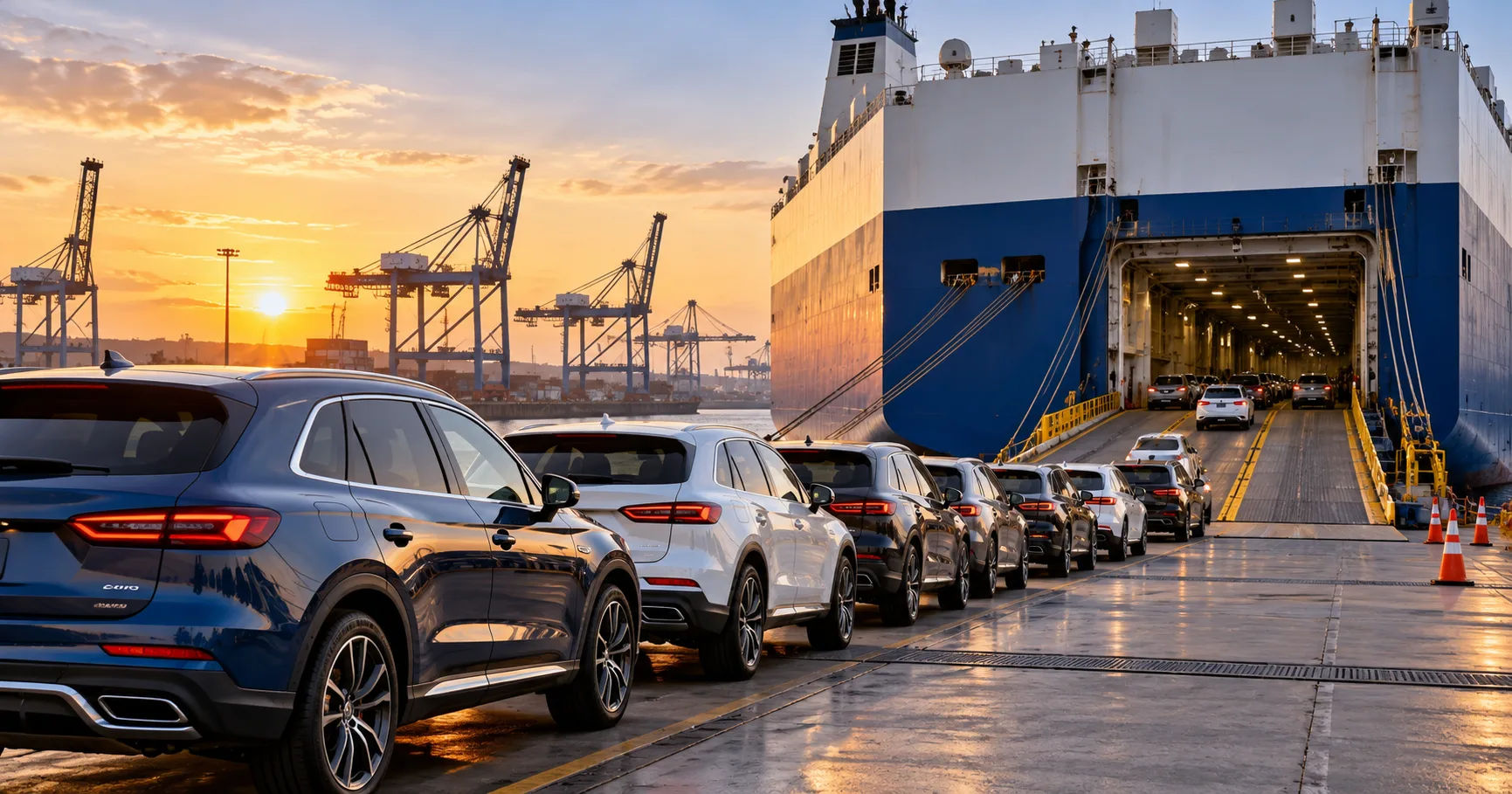
RoRo shipping is a popular option for transporting cars, vans, trucks, and other wheeled vehicles across international waters. Instead of placing the vehicle inside a shipping container, the car is driven onto a specially designed vessel and secured for the journey. This approach can make the shipping process straightforward and cost-effective.
However, choosing the right method requires more than comparing prices. Importers must consider Tanzania's vehicle import regulations, customs duties, port handling charges, vehicle age restrictions, and the availability of suitable shipping services.
This comprehensive guide explains how RoRo works, its benefits and limitations, the shipping process from the UK to Tanzania, and the important factors to consider before booking a shipment.
What Is RoRo Shipping?
Roll-on/Roll-off shipping is a transportation method designed for vehicles and other cargo that can be driven or rolled onto a vessel. These ships have built-in ramps that allow vehicles to enter and leave the vessel without requiring individual containers.
Once a vehicle arrives at the departure port, it is inspected, processed, and driven onto the ship. Trained personnel position and secure it inside the vessel to help prevent movement during the voyage.
At the destination port, the vehicle is driven off the ship and transferred to the designated collection or customs area.
RoRo vessels are widely used by vehicle manufacturers, dealerships, exporters, importers, and individuals who need to move cars between countries.
How Does RoRo Work for International Car Transport?
The process begins when the vehicle owner or shipping company arranges a booking with an international shipping provider. The provider confirms the vessel schedule, departure port, destination port, and documentation requirements.
The vehicle is then delivered to the agreed departure location in the UK. After the necessary checks, it is loaded onto the vessel.
During the voyage, the car remains inside the ship's enclosed vehicle decks. Upon arrival in Tanzania, port personnel unload it, and the importer completes the required customs and clearance procedures.
Although the process is relatively simple, the vehicle cannot usually be treated as ordinary luggage. It must satisfy the shipping company's operational rules and Tanzania's import requirements.
Can RoRo Be Used for Car Shipping from UK to Tanzania?
Yes, RoRo can be used for transporting eligible vehicles from the UK to Tanzania when a suitable shipping service is available. However, the availability of a particular route, sailing schedule, and destination port must be confirmed with the shipping company.
For Car shipping from UK to Tanzania, importers should investigate services to the Port of Dar es Salaam, Tanzania's principal seaport and a major gateway for imported vehicles.
Some shipping arrangements may involve transshipment, meaning the vehicle is transferred between vessels at an intermediate port. This can affect the overall transit time and shipping cost.
Not every shipping company offers direct RoRo sailings from every UK port to Tanzania. Therefore, it is important to request a route-specific quotation rather than assume that a direct service operates on a particular date.
Which Vehicles Can Be Shipped Using RoRo?
RoRo services commonly accommodate several types of vehicles, depending on the vessel and the shipping provider's acceptance rules.
These include:
-
Private cars and family vehicles
-
SUVs and four-wheel-drive vehicles
-
Pickup trucks and light commercial vehicles
-
Vans and certain delivery vehicles
-
Trucks, buses, and other commercial vehicles
-
Some specialist wheeled equipment
The vehicle must generally be capable of being driven or moved onto the ship using the available loading equipment.
Non-running vehicles may not be accepted by standard RoRo services because they cannot be driven on and off the vessel in the usual way. Some providers may offer alternative arrangements, but these should be confirmed before booking.
Is RoRo Suitable for Used Cars?
Yes, used cars can often be transported through RoRo services. However, the vehicle's age, condition, registration status, and eligibility for import into Tanzania must be checked separately.
A vehicle being accepted by a shipping company does not automatically mean it can legally be imported into Tanzania.
Before paying for transport, confirm the current import requirements with the Tanzania Revenue Authority, the relevant standards authorities, and a qualified clearing agent.
Benefits of Using RoRo Shipping
RoRo shipping offers several advantages for people importing vehicles from the UK. Its suitability depends on the vehicle, the destination, the available shipping schedule, and the importer's priorities.
1. Potentially Lower Shipping Costs
One of the main reasons importers choose RoRo is its potential cost advantage.
Because the vehicle is driven directly onto the ship, there is no need to arrange an individual shipping container for each car. This can reduce certain packing, container-handling, and loading expenses.
However, the final cost depends on factors such as vehicle dimensions, port charges, fuel surcharges, shipping routes, and local handling fees.
Importers should compare complete quotations rather than selecting a service solely because its advertised freight price is lower.
2. A Straightforward Loading Process
RoRo shipping uses ramps and designated vehicle decks, making the loading and unloading process efficient for eligible vehicles.
The shipping company manages the vessel-loading operation, while the vehicle owner or exporter prepares the car according to the provider's instructions.
This method avoids many of the extra steps associated with loading a car into a shipping container.
3. Suitable for Different Vehicle Sizes
RoRo vessels can transport a wide range of wheeled vehicles, from standard passenger cars to larger commercial vehicles.
This flexibility can be useful for businesses importing several vehicle types or individuals shipping SUVs and pickups.
Nevertheless, height, width, length, ground clearance, and weight restrictions must be checked before the booking is confirmed.
4. No Individual Container Required
With container shipping, the vehicle must be positioned and secured inside a suitable container. Depending on the arrangement, additional equipment and labour may be required.
RoRo removes the need for individual container loading because the vehicle travels on the vessel's dedicated vehicle decks.
For standard cars that meet the shipping company's conditions, this can make preparation more convenient.
5. Practical for Commercial Vehicle Shipments
Dealerships, vehicle traders, fleet operators, and businesses may find RoRo useful when transporting multiple vehicles.
Dedicated vehicle vessels are designed to move large numbers of cars efficiently. However, the most economical arrangement depends on the shipment's volume, destination, and available sailings.
Businesses should request quotations based on the total number and type of vehicles they intend to export.
Potential Disadvantages of RoRo Shipping
Although RoRo offers important benefits, it is not the right choice for every shipment.
Limited Personal Belongings
Shipping companies commonly restrict or prohibit personal belongings inside vehicles transported through RoRo services.
Items left in a car may create security, customs, or insurance complications. Some providers permit only specific vehicle equipment, while others impose strict restrictions on anything not considered part of the vehicle.
Before delivering the car, remove personal belongings and follow the shipping company's written instructions.
Vehicle Condition Requirements
The standard RoRo process generally requires the car to be operational, including the ability to start, steer, and brake as required by the carrier.
A damaged vehicle may need special handling or may be rejected entirely.
If the car cannot run, tell the shipping provider before booking. Container shipping or another specialist transportation arrangement may be more appropriate.
Exposure to Handling Risks
RoRo vessels generally provide enclosed vehicle decks, which protect vehicles from many weather conditions during the sea journey. Nevertheless, scratches, accidental damage, or other handling-related incidents remain possible.
Importers should photograph the vehicle before delivery and document any existing damage.
They should also review the shipping company's liability terms and consider suitable marine cargo insurance. Standard carrier liability may not cover the vehicle's full value.
Sailing Schedules May Be Limited
Shipping availability depends on vessel routes and departure schedules. A suitable RoRo service may not depart from the preferred UK port every week.
If a vehicle must arrive by a particular date, allow additional time for booking, port delivery, customs clearance, and possible schedule changes.
RoRo vs Container Shipping to Tanzania
RoRo and container shipping are two common methods for transporting vehicles internationally. Both can be suitable for Car shipping from UK to Tanzania, but each has different advantages.
RoRo Shipping
RoRo is generally worth considering when the vehicle is operational, personal belongings do not need to travel with it, and an appropriate vessel service is available.
Its main attraction is the straightforward vehicle-handling process and the potential to reduce container-related costs.
It can be particularly practical for ordinary passenger cars and commercial vehicles.
Container Shipping
Container shipping involves placing the vehicle inside a shipping container, where it is secured for transportation.
Depending on the provider and container arrangement, it may offer more flexibility for protecting the vehicle and transporting approved additional cargo.
Container shipping can be especially useful for high-value vehicles, non-running cars accepted under specialist arrangements, or shipments requiring additional protection.
However, the final cost depends on container size, loading arrangements, handling charges, and whether the importer books a full container or shares container space.
Which Method Should You Choose?
Choose RoRo if your car is operational, the route is available, and the shipping company's conditions suit your requirements.
Consider container shipping if your vehicle requires special handling, you need an approved arrangement for additional cargo, or RoRo is unavailable for your preferred dates.
In either case, compare the full costs, insurance conditions, transit estimates, and destination charges before making a decision.
The Process of Shipping a Car from the UK to Tanzania
A successful shipment requires planning before the vehicle reaches the port. The following steps can help you organise the process.
Step 1: Confirm Tanzania's Import Requirements
Start by checking whether your vehicle qualifies for import into Tanzania.
Requirements may depend on the vehicle's age, type, condition, intended use, and applicable standards. Import procedures can change, so verify the current rules before purchasing a car or arranging shipping.
Ask a reputable clearing agent to explain the documentation, inspections, duties, taxes, and any standards-related procedures that apply to your vehicle.
Step 2: Obtain Shipping Quotations
Contact several international vehicle shipping companies and request quotations for your specific car.
Provide accurate information, including the make, model, year, dimensions if requested, running condition, UK collection location, and intended destination port.
Ask whether the quotation includes port handling, documentation, loading, and other charges, or whether these will be billed separately.
Step 3: Prepare the Vehicle
Follow the shipping company's preparation instructions carefully.
Remove personal belongings, check that the vehicle is in the required condition, and ensure the fuel level complies with the carrier's safety rules.
Photograph the car from several angles, including the interior and any existing damage. Keep a record of its mileage and condition before handing it over.
Step 4: Arrange the Required Documents
The exact documents depend on the circumstances of the shipment, but common requirements may include:
-
Vehicle registration documents or the relevant ownership evidence
-
Purchase invoice or proof of value
-
Export documentation, where required
-
Shipping booking confirmation
-
Bill of lading
-
Import permits or supporting documents, if applicable
-
Identification and customs documents requested by the clearing agent
Do not assume every shipment requires precisely the same paperwork. Confirm the document list with the exporter, shipping company, and Tanzanian clearing agent.
Step 5: Deliver the Car to the UK Port
Deliver the vehicle to the designated port or vehicle-receiving facility within the specified time window.
Complete the carrier's inspection and handover process, and retain copies of the relevant paperwork.
If you need collection from your home or dealership, ask whether the shipping provider offers domestic transport and whether that service is included in the quotation.
Step 6: Track the Shipment
After the vehicle is loaded, keep your shipping reference and bill of lading details available.
Ask the shipping company for the estimated arrival date, tracking arrangements, and instructions for handling delays or changes to the schedule.
Remember that the vessel's arrival date is not necessarily the date on which the vehicle will be ready for collection.
Step 7: Complete Customs Clearance in Tanzania
When the vehicle reaches Tanzania, the importer must complete the applicable customs and regulatory procedures.
Depending on the vehicle and the current rules, this may involve submitting documents, paying import duties and taxes, arranging inspections, and obtaining any necessary approvals.
A qualified local clearing agent can help calculate the expected charges and manage the paperwork.
Step 8: Collect or Transport the Vehicle
Once all required procedures are completed and the port releases the car, arrange collection or onward transport to the final destination.
Ask about storage charges and free-time limits before the vessel arrives. Delays in clearing the vehicle can lead to additional port storage or related fees.
How Much Does RoRo Shipping Cost?
The cost of transporting a vehicle from the UK to Tanzania varies by vehicle size, departure location, destination, shipping schedule, and service provider.
There is no single price that applies to every car.
The shipping quotation may include ocean freight, documentation, port handling, and other transport-related charges. Additional costs can arise before departure or after arrival.
Factors That Affect the Total Cost
Vehicle size: Larger vehicles generally occupy more space and may cost more to transport.
Departure port: The location where the vehicle enters the shipping network can affect inland transport and port charges.
Shipping route: Direct sailings, transshipment arrangements, and vessel availability can influence pricing and transit time.
Customs duties and taxes: These depend on Tanzania's applicable rules and the vehicle's customs valuation and classification.
Port and clearing fees: Handling, documentation, inspections, storage, and customs-agent services can increase the total cost.
Insurance: Optional or separately arranged cargo insurance adds to the budget but may provide valuable financial protection.
How to Request an Accurate Quotation
Ask the shipping company to separate ocean freight from UK handling, documentation, destination charges, and any optional services.
Then ask a Tanzanian clearing agent to estimate duties, taxes, regulatory fees, and local delivery costs.
This approach helps you understand the likely total expense rather than focusing only on the advertised shipping price.
How Long Does Shipping Take?
Transit time depends on the departure port, destination port, vessel schedule, route, and whether the shipment involves transshipment.
The total process also includes vehicle delivery, export procedures, loading, customs clearance, and final collection.
A shipping company may provide an estimated sea transit time, but that figure should not be treated as a guarantee of door-to-door delivery.
Before booking, request a current schedule for your intended route and ask how much additional time to allow for port processing and Tanzanian customs clearance.
If the vehicle is needed for business or personal use by a fixed date, build a reasonable buffer into your plans.
Important Customs and Import Considerations in Tanzania
Shipping eligibility and import eligibility are separate issues. A carrier may accept a vehicle for transport even when the importer has not yet confirmed that the vehicle meets all Tanzanian requirements.
Check Vehicle Age and Standards Rules
Before purchasing a used car in the UK, confirm the current rules governing vehicle age, roadworthiness, inspection, and applicable standards.
Some vehicle categories may be subject to additional requirements or restrictions. Do not rely on old information from online discussions or assume that the rules are identical across all vehicle types.
Understand Import Duties and Taxes
The amount payable depends on the applicable customs valuation, vehicle classification, engine capacity where relevant, age-related provisions where applicable, and the tax rules in force at the time of import.
Obtain a written estimate from a knowledgeable clearing agent before shipping the vehicle.
Keep Documentation Accurate
The purchase price, vehicle identification number, ownership documents, shipping paperwork, and other declarations should be consistent and accurate.
Incorrect or incomplete information can cause delays, additional checks, and unexpected expenses.
Tips for a Smooth Car Shipping Experience
Planning ahead can help reduce delays and avoid unnecessary charges.
First, verify the vehicle's eligibility before paying a deposit to a seller or shipping company. This reduces the risk of spending money on a car that cannot be imported under the applicable rules.
Second, compare quotations from reputable providers and confirm what each price includes. A low freight quote may not represent the lowest overall cost.
Third, check the carrier's restrictions on fuel, keys, alarms, vehicle condition, and personal belongings.
Fourth, arrange insurance appropriate to the vehicle's value and the risks covered by the policy.
Finally, keep digital and printed copies of the shipping documents, invoices, inspection records, and customs paperwork.
These simple steps can make the shipping process more organised and help you respond quickly if a document or inspection issue arises.
Frequently Asked Questions
Is RoRo cheaper than container shipping?
RoRo can be cheaper for an eligible, operational vehicle because it avoids individual container loading. However, the final price depends on the route, vehicle size, handling fees, and available services. Compare complete quotations before deciding.
Can I ship a non-running car using RoRo?
Standard RoRo services generally require vehicles to be operational enough to load and unload safely. Some carriers may refuse non-running cars. Ask the provider about specialist alternatives if your vehicle cannot be driven.
Can I leave personal belongings inside my car?
Many RoRo operators prohibit personal belongings inside vehicles. Policies vary, so obtain written confirmation from the shipping company and remove any unauthorised items before delivery.
Which Tanzanian port should I consider?
The Port of Dar es Salaam is a major entry point for imported vehicles. Confirm that your selected carrier serves this port and check the applicable route and arrival arrangements.
Do I need a clearing agent in Tanzania?
A clearing agent is not necessarily mandatory for every possible arrangement, but professional assistance can be valuable for customs declarations, duty calculations, documentation, inspections, and port release procedures. Confirm the current requirements for your shipment.
Does the shipping price include Tanzanian import taxes?
Not necessarily. Ocean freight quotations frequently exclude destination customs duties, taxes, clearing-agent fees, and some port charges. Ask for a detailed breakdown before booking.
Conclusion
RoRo shipping can be an effective way to transport eligible cars from the UK to Tanzania. Its straightforward loading process, suitability for many operational vehicles, and potential cost advantages make it an option worth considering for private owners, vehicle traders, and businesses.
However, the right decision depends on more than the shipping method alone. Importers must confirm that the carrier offers a suitable route, that the vehicle meets the provider's conditions, and that the car satisfies Tanzania's current import and regulatory requirements.
When arranging Car shipping from UK to Tanzania, start by confirming import eligibility, comparing complete shipping quotations, and understanding the destination charges. Prepare the vehicle properly, organise the required documentation, and allow enough time for vessel schedules and customs clearance.
RoRo is often a practical choice for standard, operational vehicles when a suitable service is available. Container shipping may be preferable when a car requires special handling, additional protection, or a different transport arrangement.
By researching the available options and planning each stage carefully, you can make a more informed decision, manage your budget, and reduce the likelihood of avoidable delays when importing your vehicle into Tanzania.
About the Author
